
For years I tracked my health meticulously. Sleep scores, training sessions, resting heart rate, the lot. Opening the app in the morning gave me a small, reliable pleasure. The numbers were good, and looking at them made me feel good about myself.
What I never did was turn any of it into a system. I collected the data, admired it, and carried on exactly as before. I never sat down to learn which few, simple tools would move the needle most for someone with my life and my calendar, and I never built them into my days. The data told me how I was. It never told me what to do next, and I never asked it to.
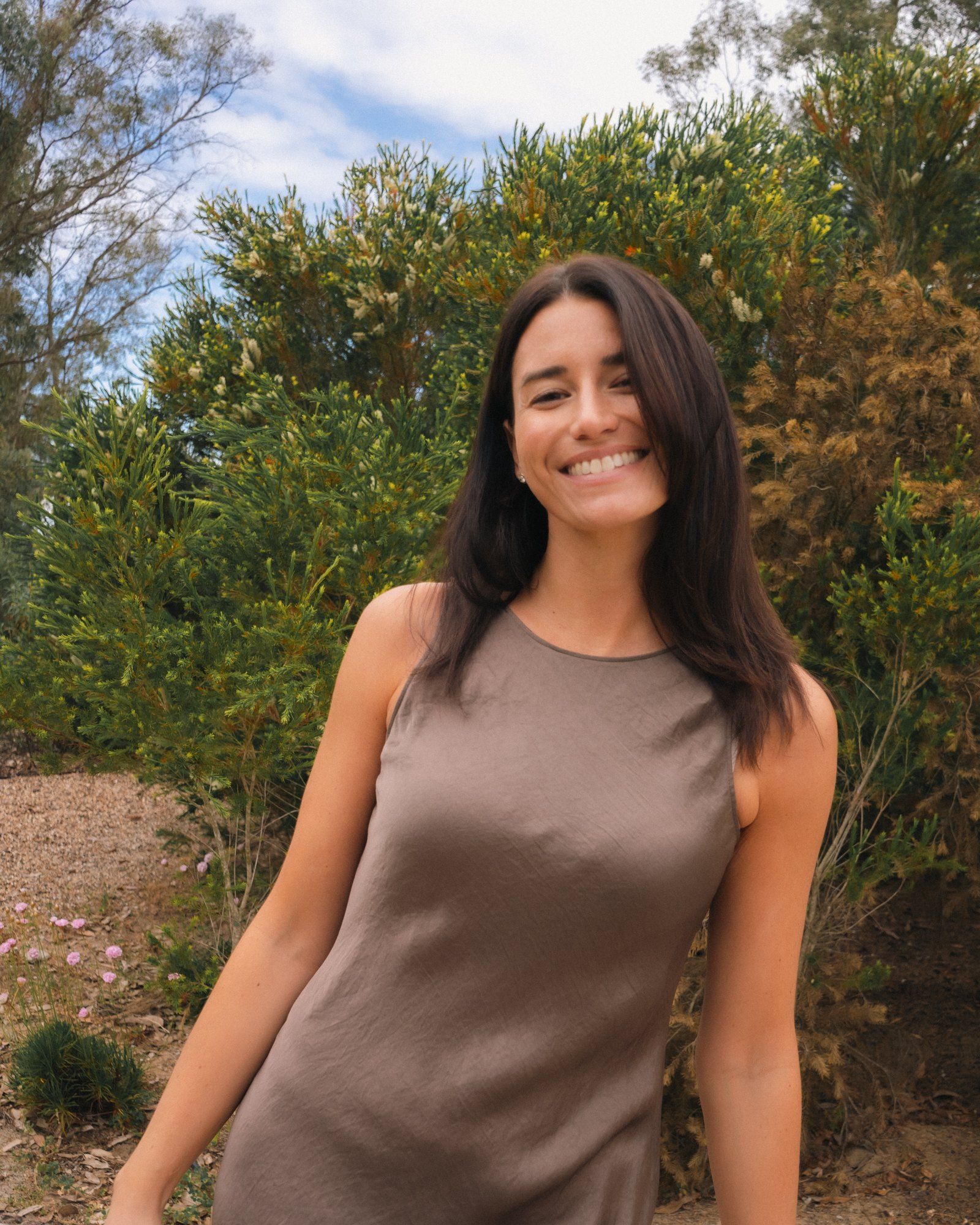
I suspect I am far from alone in this, and I have come to believe it matters most in the years around menopause. This is the stage when the body changes most quietly, and when the numbers most of us watch are least likely to show it.
This is an educational and strategic perspective, not personal medical advice.
The short version
Across the menopause transition, fat gain speeds up and muscle starts to fall, while body weight often stays on the same line as before.
The new fat tends to settle around the organs, the kind most closely tied to blood sugar problems.
Muscle takes up roughly 80% of the glucose your body clears with insulin's help, so losing it matters for metabolic health, not only for strength.
Short or broken sleep lowers insulin sensitivity within days. For menopausal insomnia, a structured therapy called CBT-I has strong trial evidence.
This stage of life has been under-researched and under-taught for decades, which is part of why so many women feel they are working it out alone.
Strength work, enough protein and protected sleep are the three levers with the clearest support. In our September residency, all seven guests were women, and every one of them left with a stronger grip, 10% stronger on average after one week.
The number that stayed calm
Imagine following thousands of women for years, scanning their bodies again and again as they move through menopause. That is what the Study of Women's Health Across the Nation, known as SWAN, did, using DXA scans to measure fat and lean tissue separately rather than relying on the scale.
The scale told a calm story. Weight kept rising at the same slow pace it had followed before the transition. There was no jump when menopause began and no sudden break. Anyone watching only that number would have concluded that nothing much had changed.
The scans told a different story. From the start of the transition, the rate of fat gain doubled, and lean mass, most of it muscle, began to fall. Both trends carried on until about two years after the final period, and only then levelled off (Greendale et al., 2019). Because one rose as the other fell, the total barely changed its course.
I find this one of the most useful findings in the whole field, because it explains something so many women describe and so few are given an answer for. Clothes fit differently. Energy shifts. A routine that worked for twenty years stops working. And the one number we were all taught to watch gives no warning at all.
If the scale is your only instrument, the most important change of midlife is invisible to you.
Where the new fat goes
Not all fat behaves alike. Fat under the skin is largely a store. Fat deep in the abdomen, wrapped around the organs, is more active, and it is closely linked to insulin resistance, the slow process in which the body needs more and more insulin to keep blood sugar steady.
Lovejoy and colleagues followed 156 women for four years, all of them premenopausal when the study began, and scanned their abdomens every year. Every woman gained some fat under the skin as she aged. But only the women who became postmenopausal during those four years showed a significant rise in visceral fat, the deep kind. The same women saw the energy their bodies used during sleep fall about one and a half times as much as in the women who had not yet reached menopause, and the amount of fat they burned dropped by around a third (Lovejoy et al., 2008).
It is one cohort, with careful measurement but modest numbers, and the energy findings come from a smaller group within it. Still, it points the same way as SWAN. Menopause is a moment when the body's handling of fuel shifts, and the shift favours storage around the middle.
Muscle, the organ nobody mentions
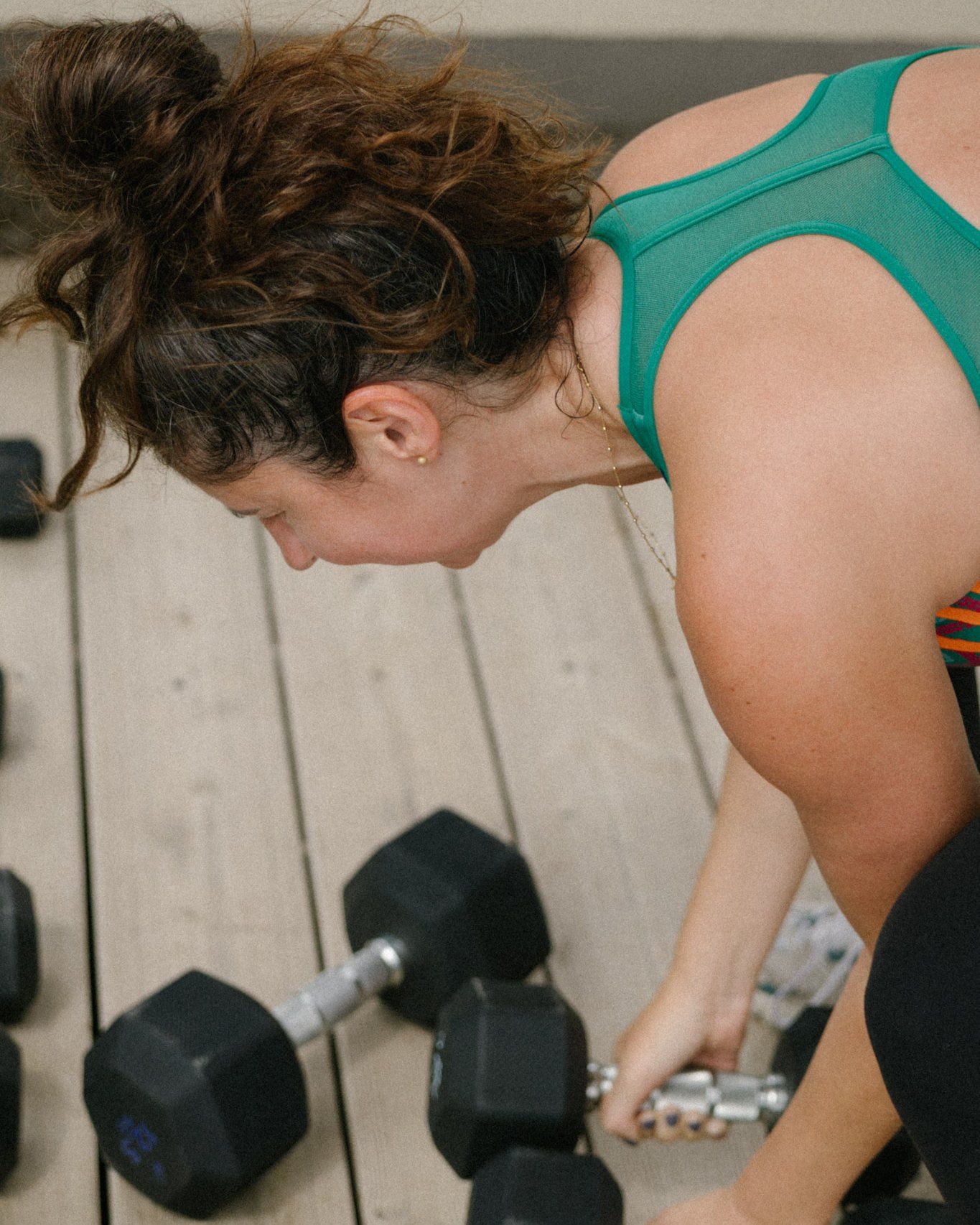
We tend to talk about muscle as strength or shape. Its larger job is far less visible. When insulin is doing its work after a meal, skeletal muscle takes up roughly 80% of the glucose leaving your bloodstream. That is why researchers regard insulin resistance in muscle as the earliest step towards type 2 diabetes, often years before a blood test looks unusual (DeFronzo and Tripathy, 2009).
Put that next to SWAN and the picture sharpens. In exactly the years when muscle begins to fall, the body is losing part of the place it puts the sugar from every meal. At the same time, more fat is settling around the organs. Both make blood sugar harder to manage, and neither needs the scale to move.
This is why I would much rather talk with women about muscle than about weight. Muscle is something you can measure, something you can build at any age, and something that pays you back in more ways than you can see in a mirror.
Would you like to know where your own muscle and metabolism stand? Every Atlas Cove residency begins by measuring them, so the week is built on your numbers rather than on averages. See how the week is built.
The nights
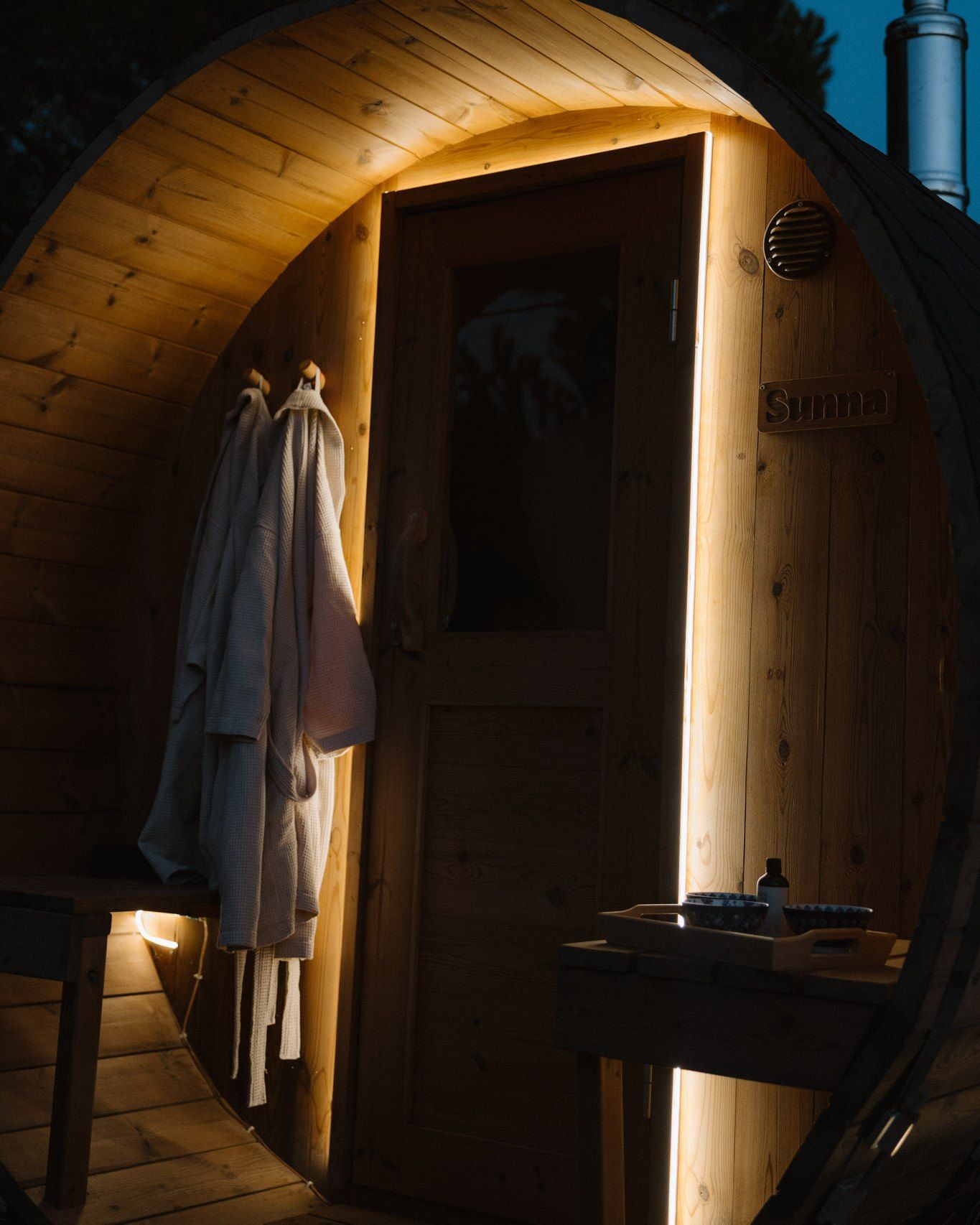
When we asked our community what they most wanted to know about menopause, sleepless nights came up straight away. Hot flushes and night sweats can wake you, or you wake at three in the morning with a busy mind and cannot settle again.
Sleep is not only about how you feel the next day. In a tightly controlled study, twenty healthy young men slept five hours a night for a week. Their insulin sensitivity fell by 11% to 20%, depending on how it was measured (Buxton et al., 2010). In another, nine healthy adults, five men and four women, slept just four hours for a single night. That one night was enough to make both their liver and their muscles less responsive to insulin (Donga et al., 2010). Neither study looked at women in midlife, and both are small. What they show is the direction: short sleep pushes the body the same way as the changes above.
The encouraging part is that menopausal sleep problems respond well to the right approach. In a randomised trial of 106 women aged 40 to 65 with insomnia and daily hot flushes, six telephone sessions of cognitive behavioural therapy for insomnia, known as CBT-I, made a large difference. After eight weeks, 70% of the women in the CBT-I group no longer had scores in the insomnia range, compared with 24% of those who received general menopause education. Six months on, the figure was 84%. Their hot flushes did not become less frequent, but they bothered them less (McCurry et al., 2016).
A separate trial tested a similar approach for the hot flushes and night sweats themselves. In 140 women, both group and self-help CBT reduced how much the symptoms troubled them, and reduced how often night sweats happened, with the benefits still present at six months (Ayers et al., 2012).
CBT-I is a structured programme delivered by trained practitioners, so it is worth asking your doctor about it if your nights have been broken for a while. Some of its core habits are simple to begin with: get up at the same time every day, use the bed for sleep rather than for lying awake, and if you have been awake for a long stretch, get up and do something quiet until you feel sleepy again.
Why so many women feel they are working this out alone
If you feel underprepared for this stage of life, you are not imagining it. For a long time, research simply was not built with women in mind.
In 1977, an FDA policy in the United States recommended excluding women of childbearing potential from early-stage drug trials. It was not until the NIH Revitalization Act of 1993 that US law required women to be included in government-funded clinical research, with studies designed so that researchers could check whether results differed for women (NIH Office of Research on Women's Health). Much of what medicine knows about how bodies age was learned in the decades before that.
The gap reaches into training too. In a 2022 survey of 99 directors of obstetrics and gynaecology residency programmes in the United States, only 31% said their programme had a menopause curriculum. Eighty-three of the 99 said they needed more menopause teaching resources (Allen et al., 2023). That is not a criticism of the doctors, who are working within the training they were given. It is a description of a system that has only recently started to treat this stage of life as its own subject.
For me, this is one of the clearest reasons Atlas Cove exists. All seven guests at our September residency were women. It made me certain that this stage of life deserves far more of our attention, and you will see us write and talk about it much more from here.
What the evidence says helps
Strength training. Cuff and colleagues randomised 28 postmenopausal women with type 2 diabetes to sixteen weeks of no training, aerobic training alone, or aerobic training plus resistance work. Both exercise groups lost abdominal fat, including visceral fat, and developed denser muscle. Only the group that added resistance training improved how well their bodies cleared glucose to a significant degree, and that improvement tracked with less visceral fat and better muscle quality (Cuff et al., 2003). It is a small trial, in women who already had diabetes, so the size of the effect will not transfer neatly to everyone. The direction is what matters: adding strength work did something that aerobic exercise alone did not.
Enough protein. The PROT-AGE expert group recommends at least 1.0 to 1.2 g of protein per kilogram of body weight a day for healthy adults over 65, and more for those who exercise (Bauer et al., 2013). Their advice was written for older adults, not for women in their forties and fifties, so treat it as a marker to plan from rather than a target set for you. The principle behind it, that muscle needs more support as we age, applies well before 65.
Protected sleep. Given how quickly short nights affect insulin sensitivity, a steady wake time is one of the simplest metabolic habits there is. If sleep has been broken for weeks, CBT-I is the approach with the strongest evidence for this stage of life.
None of these needs a dramatic overhaul. That was my own lesson: the tools that move the needle most are usually simple. What makes the difference is choosing the right few for your life, and building them in until they run without effort.
Every woman left stronger
We measure every guest on the first day and again on the last, and we report what we find plainly.
In September, all seven women completed grip strength testing on both days, and every one of them left with a stronger grip. The group average rose by 10% in a single week. The largest improvement was 9.9 kg. For five of the seven, the gain was bigger than the normal variation you would expect between two measurements.
Grip strength is worth caring about. It is a quick, honest read on overall strength, and in the PURE study, which followed nearly 140,000 people in 17 countries, every 5 kg of lower grip strength was linked to a 16% higher risk of death from any cause. Grip predicted mortality better than systolic blood pressure did (Leong et al., 2015). That is an association, not proof that raising your grip lowers your risk, but it is why we track it closely.
A week this short mostly works by switching strength back on: the nervous system learns to recruit muscle it already has, and some of the jump comes from guests getting used to the test. Building new muscle takes longer, and the body composition readings we took moved mostly with water over five nights, so we do not claim muscle mass gains from the week. What the grip results show is how quickly a body in midlife responds when it is given the right signal, and that is the starting point we send every guest home to build on.
On the mental side, four of the five guests who completed the validated wellbeing scale after their stay improved, and the group's average rose from 21.9 to 24.6. Every guest who completed the follow-up rated clear progress on the goal she set before arriving. It is a small group, so these are early signals, and we say so.
Curious what your own grip strength and wellbeing scores would say? We measure them on the first day and again on the last, and you take both sets home. Apply for November.
How we approach muscle in a week
Strength training or a hike begins each morning, and the strength sessions follow our standard programme, with the load and intensity adjusted for each guest from her day-one tests. Meals are cooked on the estate, plant forward and high in protein and fibre, so every plate supports the training. Each guest has one-to-one time with Tom on training and nutrition, and with me on mindset, stress and the patterns behind her habits. And everyone goes home with a Personalised Health Toolbox: the specific few exercises, meals and routines to keep building at home, chosen for her life rather than for an ideal one.
How an Atlas Cove residency can help in midlife
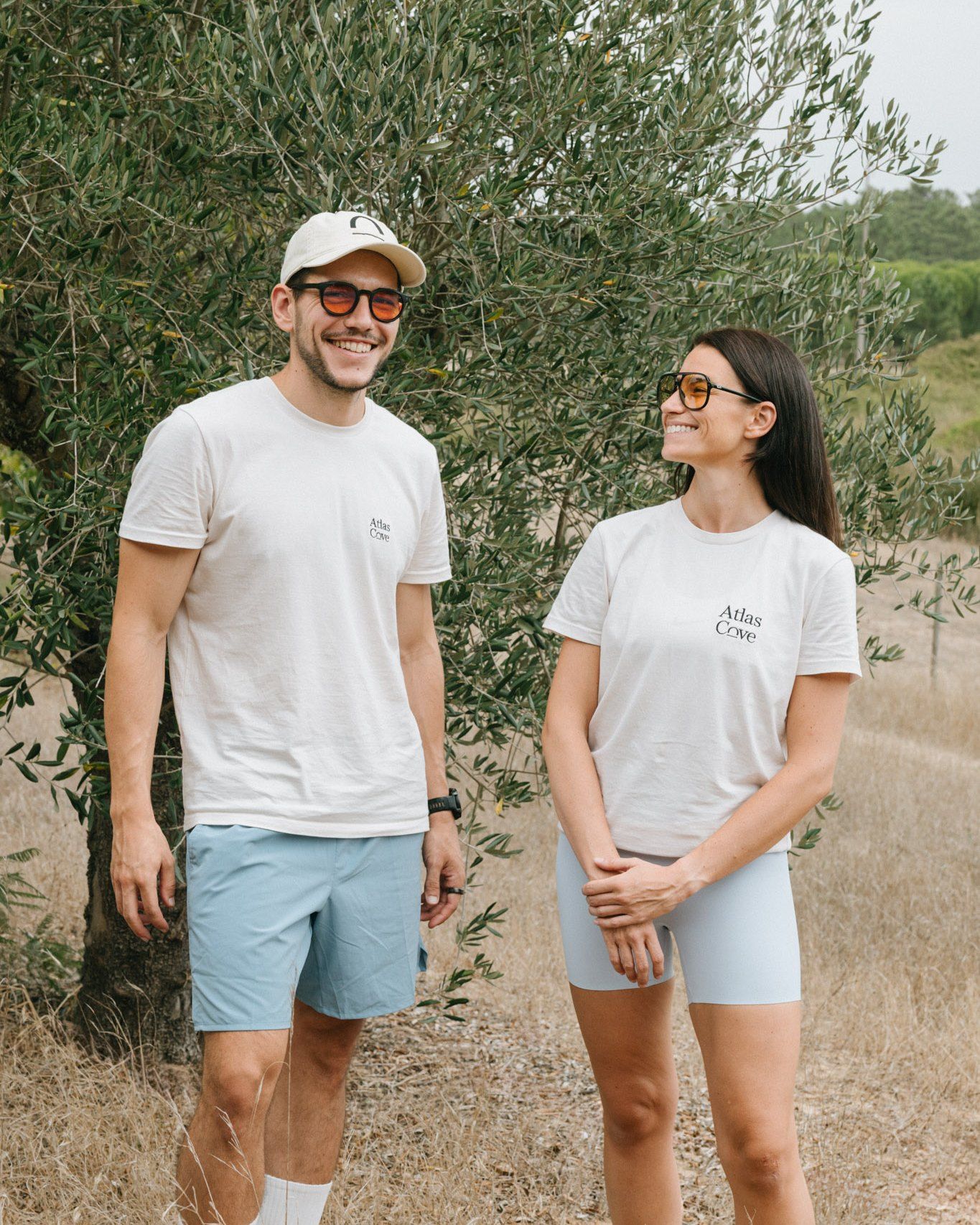
The week follows one daily rhythm, the same for every guest, because it is the structure we have found does the most good: early mornings, movement, nourishing meals, sauna and cold, and time to rest. Within that rhythm, we adjust the intensity for each person.
What we spend the most care on is getting to know each guest properly. We measure the physical side, from grip strength and VO2 max to blood pressure, and the psychological side, with validated questionnaires on wellbeing, stress and thought patterns. Then, in our one-to-one conversations, we look for the root causes behind what is not working, whether that is sleep, stress, training, food or the way a week is organised. The aim is a clear path for life at home, not a perfect week away from it.
Atlas Cove provides health strategy and lifestyle coaching. Our team does not practise medicine, diagnose conditions or prescribe pharmaceuticals. Where clinical needs are identified, we warmly connect guests with trusted medical specialists.
If you would like to go further on the training side, Tom's article on the benefits of strength training after 40 sets out the evidence in detail, and our method explains how the week works.
Our last residency of 2026 runs from 7 to 12 November, and only a few rooms remain. Dates for 2027 are open too. Apply for a place.
What this evidence can and cannot tell you
| Study | Design and population | What it does not establish |
|---|---|---|
| Greendale 2019 (SWAN) | Long-term cohort, women followed through menopause with DXA scans | What any one woman will experience; it describes averages |
| Lovejoy 2008 | Four-year cohort, 156 women, CT scans of abdominal fat | Cause and effect; energy data come from a subgroup of 34 |
| DeFronzo and Tripathy 2009 | Review of muscle insulin resistance | That building muscle prevents diabetes in a given person |
| Buxton 2010 | Controlled trial, 20 young men, one week of short sleep | Anything specific to women or to midlife |
| Donga 2010 | Crossover study, 9 healthy adults, one short night | Long-term effects; the sample is very small |
| McCurry 2016 (MsFLASH) | Randomised trial, 106 women aged 40 to 65 with insomnia and hot flashes | Results for in-person or self-taught versions of CBT-I |
| Ayers 2012 (MENOS 2) | Randomised trial, 140 women with troublesome hot flushes and night sweats | Effects beyond six months |
| Cuff 2003 | Randomised trial, 28 postmenopausal women with type 2 diabetes, 16 weeks | The size of the effect in women without diabetes |
| Bauer 2013 (PROT-AGE) | Expert consensus for adults over 65 | A protein target for women under 65 |
| Leong 2015 (PURE) | Large international cohort study | That improving grip lowers risk; nobody intervened on grip |
| Allen 2023 | Survey of 99 US obstetrics and gynaecology residency directors | The state of training outside the United States |
| Atlas Cove, September 2026 | Seven guests, all women, measured on day one and day six | Anything beyond an early signal; a small group without a control |
The honest summary: the changes of the menopause transition are well documented, and the levers that help are backed by a mix of trials, mechanisms and expert consensus rather than by long trials in midlife women. That is the normal state of this field, and a good reason to measure your own numbers rather than rely on averages.
Three questions to take to your next check-up
How strong am I, and is that changing? Grip strength or a simple chair test, repeated over time, says more than any single reading.
What happens to my blood pressure and blood sugar across a normal day? One reading in a waiting room is a snapshot.
How do I actually sleep, compared with how long I spend in bed? And if the answer has been "badly" for weeks, is CBT-I an option for me?
Questions people often ask
How can a residency help with menopause?
We do not treat menopause or its symptoms. What we do is measure where you are, physically and mentally, spend the week on the habits with the clearest evidence for this stage of life, and help you understand what is behind the things that are not working. You go home with a plan built on your own numbers, and where medical care is needed, we connect you with specialists.
What can I do about sleepless nights in menopause?
The approach with the strongest evidence is CBT-I, ideally with a trained practitioner. In the trial above, 70% of women were out of the insomnia range after eight weeks. Simple starting points are a fixed wake time and getting up when you have been lying awake for a long time. Persistent problems are worth raising with your doctor.
Is weight gain in menopause inevitable?
In SWAN, average weight kept rising at the same pace across the transition, so menopause did not add a sudden jump. What changed was the balance of fat and muscle underneath, and that balance responds to how you train, eat and sleep.
Is it too late to start strength training after menopause?
No. The women in the Cuff trial were postmenopausal and saw changes within sixteen weeks. Starting with guidance on technique and load is sensible; waiting is not necessary.
Does hormone therapy change any of this?
Hormone therapy has its own research on body composition and metabolic health, and whether it is right for you is a conversation for your doctor. It sits outside the scope of this page and of what we offer.
How much protein should I eat?
The PROT-AGE figures were written for adults over 65. For a number that fits your body, kidneys and training, ask a doctor or registered dietitian who can see your full picture.
Sources
Greendale, G. A., Sternfeld, B., Huang, M., Han, W., Karvonen-Gutierrez, C., Ruppert, K., Cauley, J. A., Finkelstein, J. S., Jiang, S. F., and Karlamangla, A. S. (2019). Changes in body composition and weight during the menopause transition. JCI Insight, 4(5). DOI: 10.1172/jci.insight.124865
Lovejoy, J. C., Champagne, C. M., de Jonge, L., Xie, H., and Smith, S. R. (2008). Increased visceral fat and decreased energy expenditure during the menopausal transition. International Journal of Obesity, 32(6), 949 to 958. DOI: 10.1038/ijo.2008.25
DeFronzo, R. A., and Tripathy, D. (2009). Skeletal muscle insulin resistance is the primary defect in type 2 diabetes. Diabetes Care, 32(Suppl. 2), S157 to S163. DOI: 10.2337/dc09-S302
Buxton, O. M., Pavlova, M., Reid, E. W., Wang, W., Simonson, D. C., and Adler, G. K. (2010). Sleep restriction for 1 week reduces insulin sensitivity in healthy men. Diabetes, 59(9), 2126 to 2133. DOI: 10.2337/db09-0699
Donga, E., van Dijk, M., van Dijk, J. G., Biermasz, N. R., Lammers, G. J., van Kralingen, K. W., Corssmit, E. P. M., and Romijn, J. A. (2010). A single night of partial sleep deprivation induces insulin resistance in multiple metabolic pathways in healthy subjects. Journal of Clinical Endocrinology and Metabolism, 95(6), 2963 to 2968. DOI: 10.1210/jc.2009-2430
McCurry, S. M., Guthrie, K. A., Morin, C. M., Woods, N. F., Landis, C. A., Ensrud, K. E., et al. (2016). Telephone-based cognitive behavioral therapy for insomnia in perimenopausal and postmenopausal women with vasomotor symptoms: a MsFLASH randomized clinical trial. JAMA Internal Medicine, 176(7), 913 to 920. DOI: 10.1001/jamainternmed.2016.1795
Ayers, B., Smith, M., Hellier, J., Mann, E., and Hunter, M. S. (2012). Effectiveness of group and self-help cognitive behavior therapy in reducing problematic menopausal hot flushes and night sweats (MENOS 2): a randomized controlled trial. Menopause, 19(7), 749 to 759. DOI: 10.1097/gme.0b013e31823fe835
Cuff, D. J., Meneilly, G. S., Martin, A., Ignaszewski, A., Tildesley, H. D., and Frohlich, J. J. (2003). Effective exercise modality to reduce insulin resistance in women with type 2 diabetes. Diabetes Care, 26(11), 2977 to 2982. DOI: 10.2337/diacare.26.11.2977
Bauer, J., Biolo, G., Cederholm, T., Cesari, M., Cruz-Jentoft, A. J., Morley, J. E., et al. (2013). Evidence-based recommendations for optimal dietary protein intake in older people: a position paper from the PROT-AGE Study Group. Journal of the American Medical Directors Association, 14(8), 542 to 559. DOI: 10.1016/j.jamda.2013.05.021
Leong, D. P., Teo, K. K., Rangarajan, S., Lopez-Jaramillo, P., Avezum, A., Orlandini, A., et al. (2015). Prognostic value of grip strength: findings from the Prospective Urban Rural Epidemiology (PURE) study. The Lancet, 386(9990), 266 to 273. DOI: 10.1016/S0140-6736(14)62000-6
Allen, J. T., Laks, S., Zahler-Miller, C., Rungruang, B. J., Braun, K., Goldstein, S. R., and Schnatz, P. F. (2023). Needs assessment of menopause education in United States obstetrics and gynecology residency training programs. Menopause, 30(10), 1002 to 1005. DOI: 10.1097/GME.0000000000002234
NIH Office of Research on Women's Health. History of women's participation in clinical research. orwh.od.nih.gov
This is an educational and strategic perspective, not personal medical advice.
Lisa Wuerden · Co-Founder
Co-founder, brand and product
À suivre
L’entraînement à la chaleur améliore-t-il l’endurance ? Sauna, acclimatation et ce que montrent les études
Chaleur et pouls à allure égale : ce que changent une à deux semaines au chaud, à quelle vitesse cela s’efface, ce qu’apporte le sauna après l’effort.
Que se passe-t-il pendant un séjour longévité de six jours ? Retour sur le premier groupe Atlas Cove
Comment la première semaine s’est vraiment passée : la trame d’une journée, pourquoi une séance touchait les uns et pas les autres, et ce qui va changer.
What does it take to host a longevity retreat? Nine lessons from our September residency
What hosting our September residency at Casas na Ferraria taught me: the breaks we forgot to plan, why one-on-ones matter most, the phone-free week our guests loved, and what we have changed.