
Running a retreat is not for the faint of heart, and even less so if you are a perfectionist. I can say that with a smile, because I am one, and because our September residency, the first we hosted at Casas na Ferraria, was one of the most rewarding weeks of my working life.
Tom has already written his notes on the week, as the person who designed the programme. You can read them in what happens at a six-day longevity retreat. These are mine, as the person who spent the week hosting it: what our guests valued most, what we have changed since, and what the week taught me about my own work.
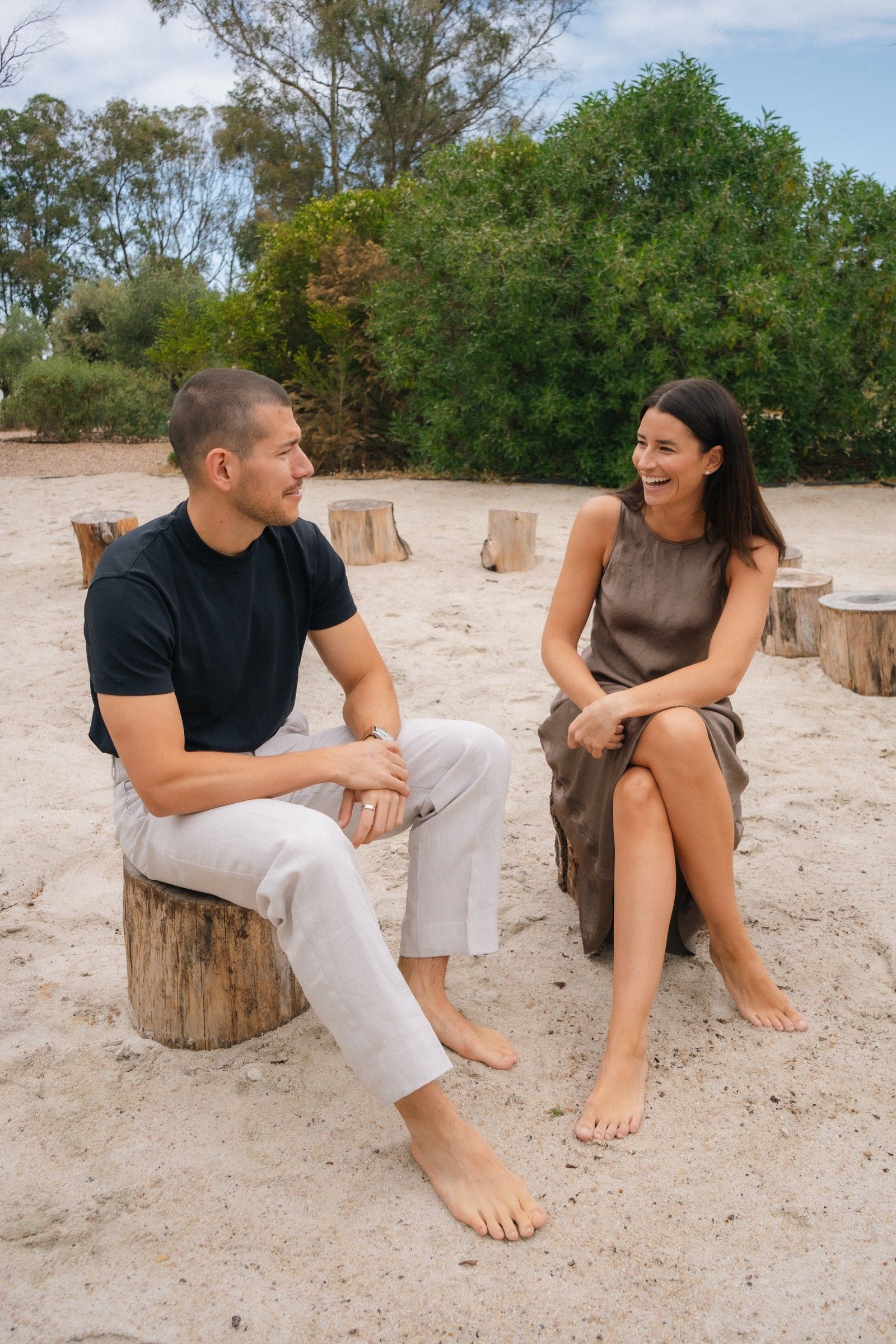
What follows are nine lessons. Some are about our guests, some are about us, and every one of them has already changed how our residencies are run.
The short version
We planned every hour of the week for our guests and forgot to plan a single break for ourselves. Rest for the hosts is now part of every week.
None of the work felt like work. Hosting this space for our guests felt like a gift.
A steady rhythm, with a few fixed points in every day, helped our guests most.
Some days were fuller than they needed to be, so each day now has more open time.
What guests valued above everything was their one-on-one time with us, so we have made room for more of it.
Our guests chose a phone-free week, and loved it.
Each week now opens with a clear welcome, so everyone knows their hosts and how the days run from the first morning.
All seven guests were women, which showed us how much women in midlife want practical answers about their bodies.
Every one of them left with a stronger grip after a single week.
Lesson 1: plan rest for the hosts too
We planned that week meticulously. Every session, every meal, every transfer and every small detail of every day had been thought through for our guests. What we forgot to plan was a single break for Tom and me.
So a good part of our work happened after hours, on site, once the house was quiet. We slept far less than we would ever recommend to a guest, and most days I walked between 20,000 and 25,000 steps, simply making sure everything happened the way it should.
I would not change the care that went into that week. What I have changed is the plan. Rest for the hosts is now written into every residency, because a host who has rested gives more to every session, and our guests deserve us at our best from the first morning to the last.
Lesson 2: I love what I do
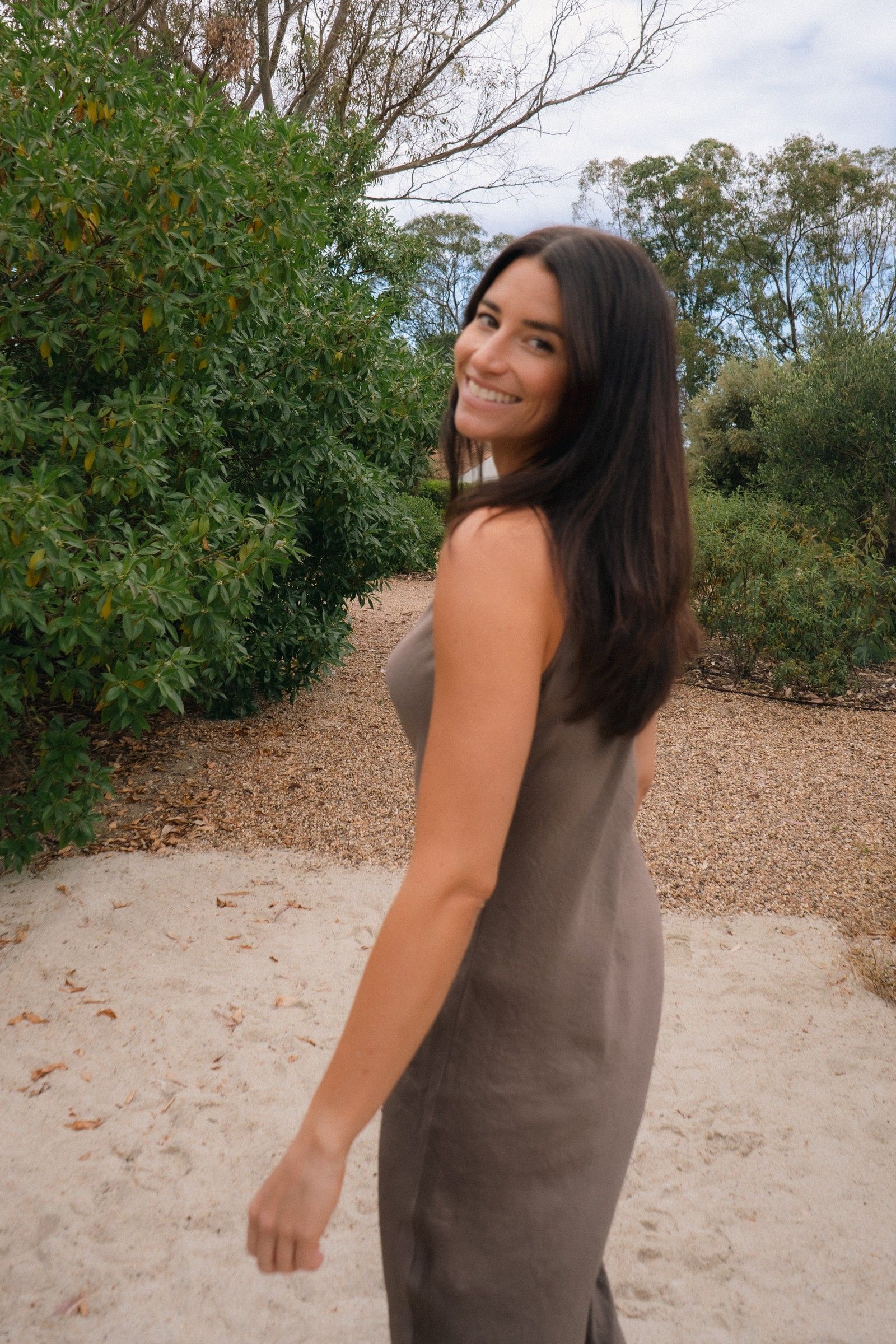
This is the lesson I did not expect to write down. For all the late nights and all the steps, not one hour of that week felt like work. It felt like a blessing, and a gift, to be allowed to host this space for the people who had trusted us with a week of their lives.
I spent ten years in technology before I started building in health. I have never felt so certain that I am doing the work I am meant to do.
Lesson 3: a steady rhythm helps
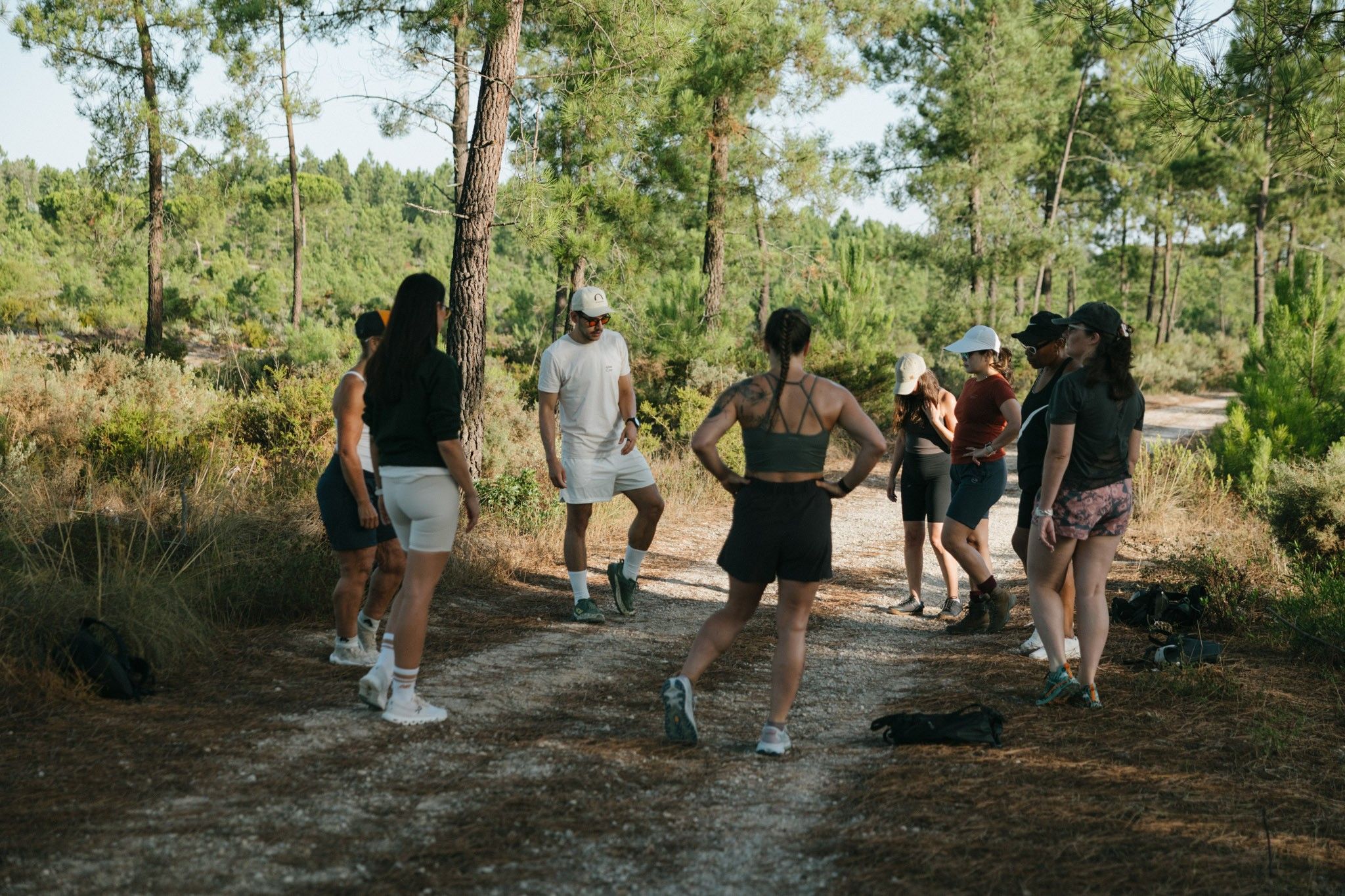
Every day followed the same simple outline, built around a few fixed points that never moved. Those fixed points were what our guests leaned on most.
In a new place, with new people and a new routine, knowing what comes next lets you stop thinking about the day and simply be in it. It is a small thing to design, and it makes a large difference to how a week feels.
Lesson 4: leave room to breathe
On some days, we had simply planned more than a day needs. Each day now has more open time built into it, to rest, to swim, to read in the garden or simply to enjoy the house and the bay.
A good week has space in it, and that space is part of the work.
Would you like a week built around your own measurements, with time to breathe? Every Atlas Cove residency begins by measuring each guest, so the week is built on your numbers rather than on averages. See how the week is built.
Lesson 5: one-on-ones matter most
If I had to name the one thing our guests valued above everything else, it would be their one-on-one time with us. The group sessions mattered, and so did the sauna, the meals and the walks. But it was the hour sitting down together, with their own numbers and their own questions, that people talked about most.
So we have made room for more of it. The afternoon sauna, cold plunge and red light now run as free flow, so guests move through them at their own pace, and the time that frees up goes straight into one-on-one sessions.
Lesson 6: going phone-free pays off
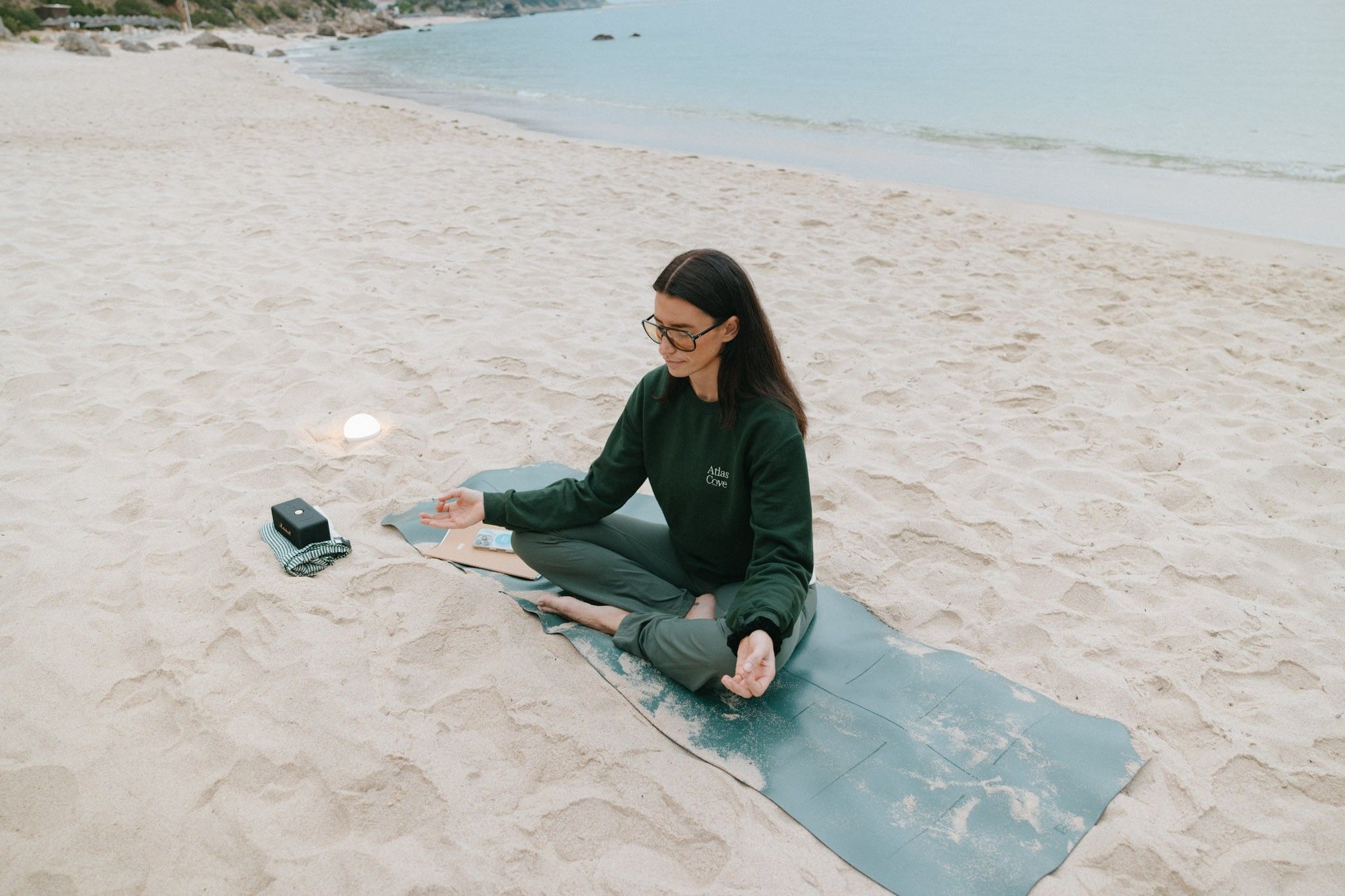
We strongly encourage a phone-free week, though we do not require it. In September our guests chose to put their phones away, and the finding that surprised me most was how much they loved it.
Being able to disconnect completely, and to immerse themselves in a remote place surrounded by nature, did a great deal for them. It is one of the simplest things we offer, and one of the most valued.
Lesson 7: start with a clear welcome
A great week begins before the first session. Each residency now opens with a warm, clear introduction: who your hosts are, what each of us looks after, how our sessions run and what you can expect from the days ahead.
It means everyone can settle in quickly, feel at home in the group and get the most from every day, right from the first morning.
Curious what a week like this would look like for you? We would be glad to talk it through on a short Alignment Call. Apply for a place.
Lesson 8: women in midlife deserve better answers
All seven of our September guests were women. It made one thing very clear to me: women at this stage of life are looking for real, practical answers about their bodies, and far too few places offer them.
I have written about why in does menopause change your metabolism, including what changes in muscle, fat and blood sugar in these years and what helps. It is something we will be focusing on much more at Atlas Cove.
Lesson 9: strength responds quickly
We measure every guest on the first day and again on the last, and we report what we find plainly.
In September, all seven women completed grip strength testing on both days, and every one of them left with a stronger grip. The group average rose by 10% in a single week. Four of the five guests who repeated our validated wellbeing scale left measurably better.
It is a small group, so we read it as an early signal rather than proof, and we will keep measuring with every cohort. It is an encouraging signal all the same, and it is exactly why every week starts with your own numbers.
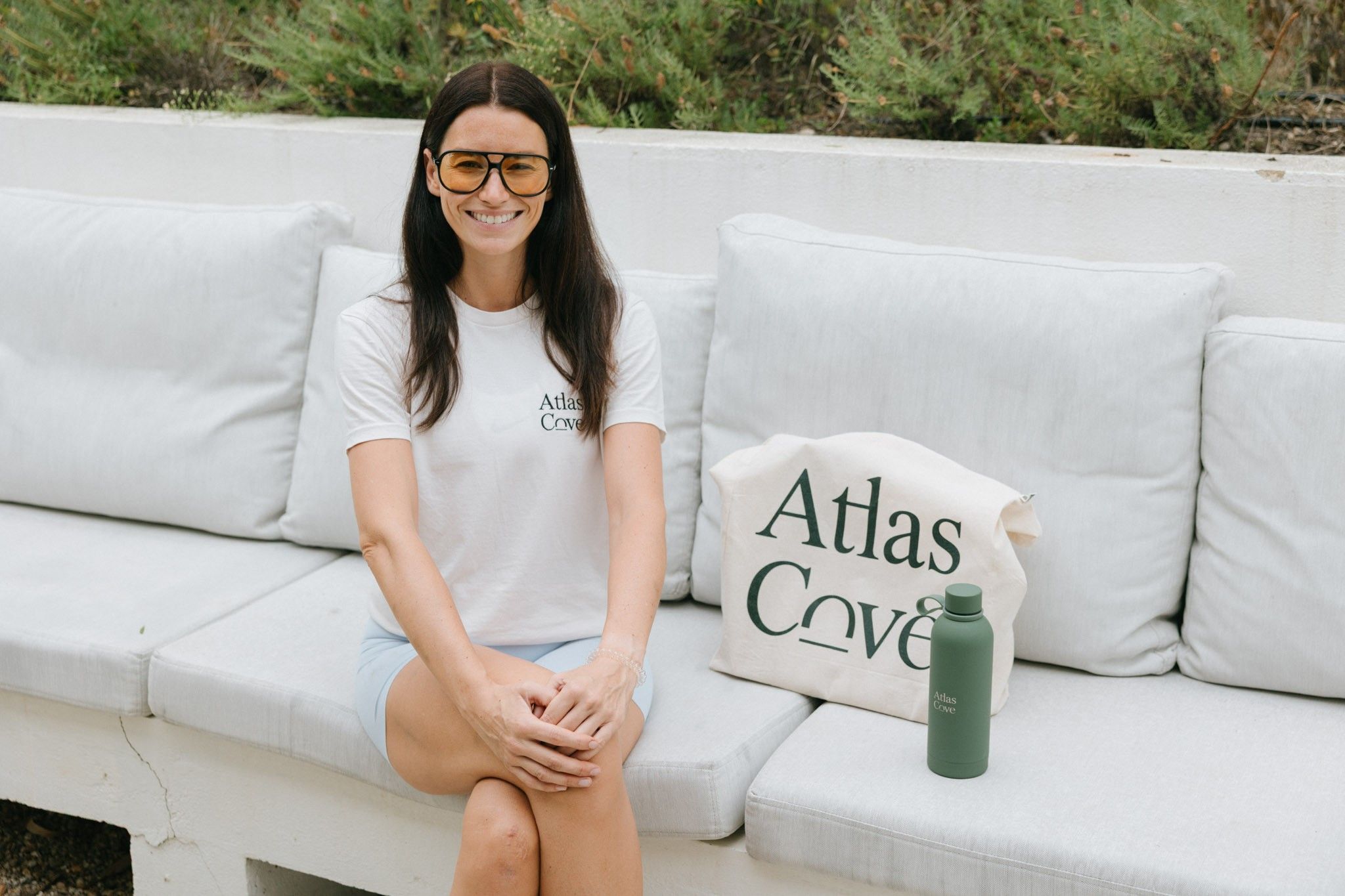
Our next residencies are built on everything September taught us. Our last residency of 2026 runs from 7 to 12 November, and dates for 2027 are open too. Apply for a place.
What these notes can and cannot tell you
They come from one week and seven guests. They describe what we saw and what our guests told us, which is valuable, and still different from a study.
The measurements are early. A week can show change. What lasts is measured over months, and we are measuring.
Every cohort is different. What helped this group most is our starting point for the next one, not a promise for every guest.
Questions people often ask
What does a day at a longevity retreat look like?
At Atlas Cove, each day follows the same steady rhythm, with a few fixed points and open time in between. Sessions on how the body works sit alongside sauna and cold plunge, yoga, walks and meals, with one-on-one time to go through your own measurements.
Can I use my phone during the retreat?
Yes, though we strongly encourage you not to. In September our guests chose a phone-free week, and it was one of the things they valued most.
Will I get one-on-one time with the hosts?
Yes. It was what our guests valued most, so our weeks now make more room for it, with the afternoon sauna, cold plunge and red light running as free flow.
Is there free time at the retreat?
Yes. Each day has open time to rest, swim or enjoy the house and the bay.
Further reading
Tom Wuerden, What happens at a six-day longevity retreat? Notes from the first Atlas Cove cohort
Lisa Wuerden, Does menopause change your metabolism? What happens to muscle, fat and blood sugar
This is an educational and strategic perspective, not personal medical advice.
Lisa Wuerden · Co-Founder
Co-founder, brand and product
Read next
Does heat training improve endurance? Sauna, heat acclimation and the evidence
Why heat lifts your heart rate at the same pace, what one to two weeks of heat change, how fast that fades, and what a sauna after training adds.
Does menopause change your metabolism? What happens to muscle, fat and blood sugar
In menopause the scale often stays on course while fat gain speeds up and muscle falls. What the evidence shows, what helps with sleepless nights, and what we saw in a week.
What happens at a six-day longevity retreat? Notes from the first Atlas Cove cohort
How the first week actually ran: the outline of a day, why one session reached some people and passed others by, and what changes next time.